5 Benefits of Early Childhood Education
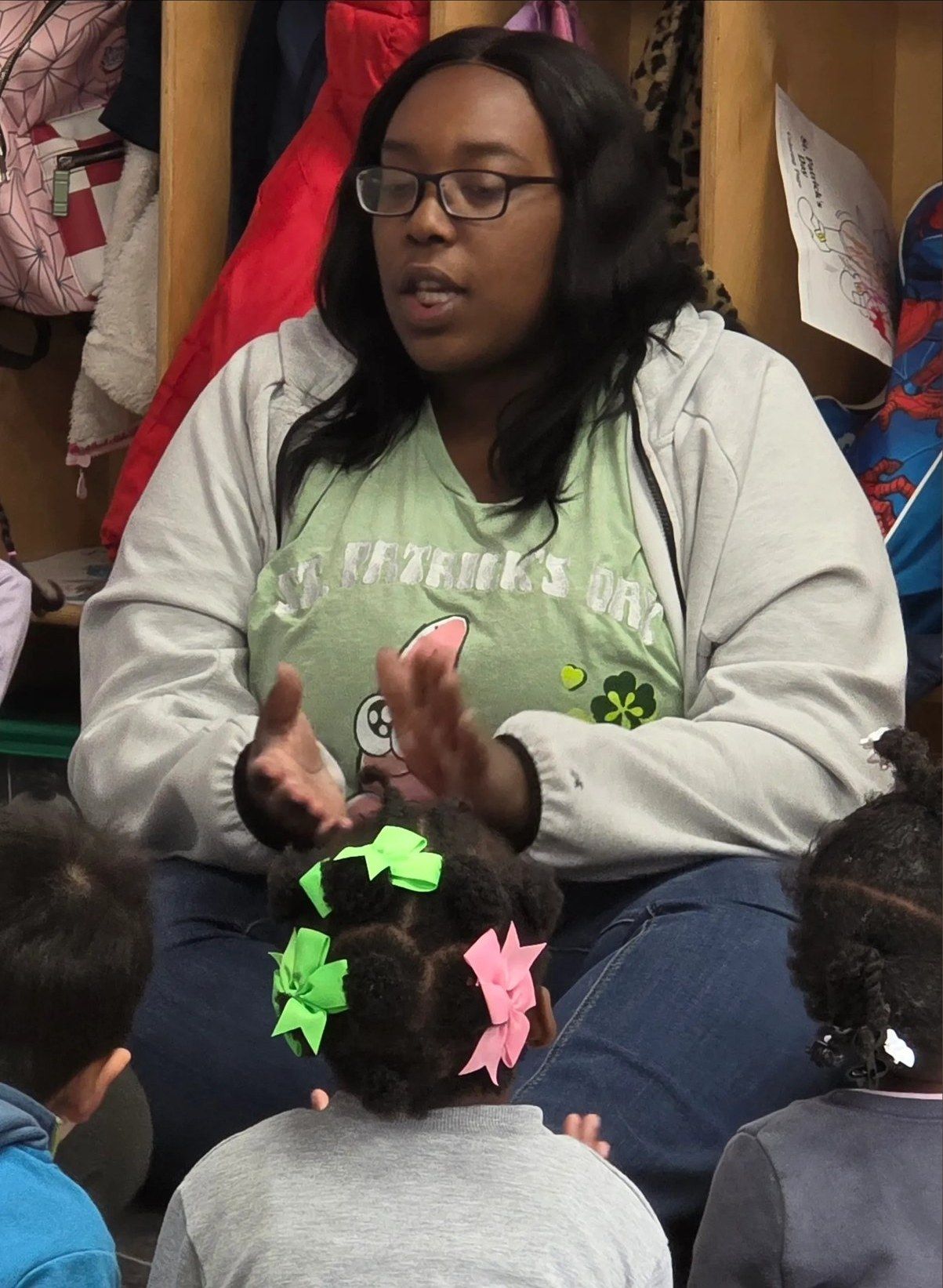
Why the First Five Years Shape a Lifetime
The foundation for lifelong learning isn't laid in elementary school—it begins far earlier, during the incredibly formative first five years of life. During this critical window, a child’s brain develops at a faster rate than at any other time, making early childhood education not just beneficial, but essential. High-quality programs at childcare centers across Fulshear and beyond do more than provide supervision—they actively support cognitive, social, emotional, and physical development through intentional, play-based learning.
Parents often wonder what truly sets a strong early learning experience apart. The answer lies in structured environments that blend nurturing care with developmental milestones. These programs foster language acquisition, encourage problem-solving skills, build emotional regulation, and promote early literacy and numeracy—all within a safe, stimulating setting. More importantly, they help children form healthy relationships with peers and adults, setting the stage for future academic and personal success.
In this post, we’ll explore five proven benefits of early childhood education, from school readiness to long-term confidence. You’ll gain practical insights into what to look for in a program, how early engagement supports equitable learning opportunities, and why investing in the early years delivers lasting returns—for your child, your family, and your community.
Building Brighter Futures: How Early Learning Fuels Brain Development
The early years are a critical window for cognitive growth, setting the foundation for lifelong learning and problem-solving abilities. From birth to age five, a child’s brain develops faster than at any other stage in life, making quality early childhood education essential for maximizing neural connections. Structured learning environments stimulate curiosity, strengthen memory pathways, and enhance attention spans through age-appropriate activities designed to challenge and engage young minds.
Daily experiences in a nurturing childcare center—such as storytelling, pattern-based games, and interactive play—actively support language acquisition, numeracy skills, and executive function. These aren’t just fun activities; they’re scientifically aligned strategies that promote synaptic growth and mental flexibility. Children learn to follow multi-step instructions, categorize objects, and predict outcomes—skills that directly correlate with future academic success.
For families in Fulshear and surrounding Texas communities, investing in early learning means investing in measurable cognitive advantages. Practical steps to support this development include:
- Prioritizing programs with intentional, play-based curricula
- Encouraging open-ended questions during daily routines
- Limiting screen time in favor of hands-on exploration
Strong cognitive foundations built in early childhood create confident, adaptable learners ready for kindergarten and beyond.
Building Strong Social Foundations Early
One of the most impactful advantages of structured early learning environments is the consistent opportunity for young children to develop essential social skills through guided peer interaction. In a well-run childcare center, children don't just play—they learn how to share, negotiate, express emotions appropriately, and resolve conflicts with support from trained educators. These daily social exchanges form the foundation for emotional intelligence and long-term relationship-building abilities.
Unlike informal playdates or home-based settings, a quality program offers a balanced mix of group activities and cooperative learning that promotes empathy, turn-taking, and active listening. Teachers facilitate moments of collaboration—like circle time, team-based art projects, or dramatic play stations—to encourage communication and mutual respect among peers.
To maximize social growth, look for programs that emphasize:
- Small group activities that foster inclusion
- Conflict resolution strategies tailored to young learners
- Daily routines that build predictability and confidence
- Emphasis on verbal expression over physical reactions
These structured experiences help children adapt more easily to kindergarten and beyond, especially in communities like Fulshear, TX, where family-oriented values align with nurturing developmental milestones. Developing social competence early doesn’t just benefit the child—it strengthens the entire learning environment for peers, teachers, and families.
Building Emotional Smarts from the Start
One of the most transformative yet often overlooked advantages of high-quality early childhood education is the intentional development of emotional intelligence and self-regulation. In nurturing environments like those found in trusted childcare center programs across Fulshear and throughout Texas, children don’t just learn letters and numbers—they learn how to manage feelings, take turns, and resolve conflicts peacefully.
Daily routines are designed to support emotional growth through structured play, group activities, and guided reflection. Children learn to identify emotions like frustration or excitement using age-appropriate language, helping them express themselves clearly instead of through tears or tantrums. Teachers model empathy, encourage active listening, and use real-time moments—like waiting for a toy or dealing with a spilled snack—as teaching opportunities.
Key practices include:
- Using "feeling charts" to help children label emotions
- Practicing deep breathing or quiet time strategies when overwhelmed
- Engaging in role-play to understand others’ perspectives
These skills lay the foundation not only for future academic success but also for healthy relationships and resilience. By prioritizing emotional development early, childcare centers empower children with tools they’ll use every day—in preschool, at home, and throughout life.
What Parents Need to Know About Early Education Enrollment
When is the right age to enroll my child in an early education program?
Most families begin exploring early education options between 12 and 30 months, though high-quality programs accept children as young as six weeks. The ideal timing often aligns with developmental milestones—when your child starts showing interest in peer interaction, following simple instructions, or needs structured routines to support working parents in the Fulshear area.
How do I know if a childcare center follows a quality curriculum?
Look for programs that integrate play-based learning with intentional developmental goals across language, motor skills, and emotional regulation. A strong curriculum is balanced—offering guided activities and free exploration—with daily documentation so parents can see what their child engaged in. Centers that involve families in learning themes or share progress updates are often more transparent and consistent.
What should I look for during a childcare center tour?
Pay close attention to teacher-child ratios, classroom cleanliness, safety protocols, and staff warmth. Observe whether children appear engaged and comfortable. Ask how the center handles separation anxiety, daily communication, and individualized support for diverse learning needs.
Are part-time programs effective for early learning?
Yes—consistent part-time attendance can still deliver meaningful developmental benefits, especially when the program emphasizes continuity and relationship-building. Even two to three days per week supports routine development and socialization.
How does early education prepare my child for kindergarten?
Structured early learning builds foundational skills like listening, sharing, problem-solving, and following multi-step directions. Children practice independence, early literacy, and numeracy in age-appropriate ways that ease the transition to formal schooling.
What questions should I ask about safety and staff qualifications?
Always inquire about staff training in CPR, first aid, and child development. Ask about background checks, turnover rates, and professional development. A stable, well-trained team is a strong indicator of program quality.
A Lifelong Foundation Starts Early
Investing in early childhood education isn’t just about keeping young children engaged—it’s about laying a resilient foundation for lifelong success. From fostering cognitive growth to nurturing emotional intelligence, the benefits ripple outward, influencing academic performance, social adaptability, and even future career readiness. Quality programs at a childcare center prioritize structured play, language enrichment, and age-appropriate curricula that align with developmental milestones, ensuring children build confidence alongside competence.
For families in Fulshear and surrounding communities, choosing a nurturing early learning environment means giving children access to consistent routines, qualified caregivers, and peer interactions that support healthy development. These experiences cultivate essential skills like problem-solving, cooperation, and self-regulation—traits that remain valuable well into adulthood.
To make a lasting impact, consider evaluating local early education options with a focus on curriculum depth, teacher qualifications, and a family-oriented approach. Look for programs that emphasize individual growth and maintain open communication with parents.
Taking this step today helps ensure your child isn’t just prepared for kindergarten—but for life. Start exploring trusted childcare center options in Texas now, and give your child the strong beginning they deserve.